The quick answer: match the channel to the customer's next action
WhatsApp is strongest when a message benefits from conversation, rich media, or a quick reply. SMS is strongest when urgency and broad mobile reach matter more than detail. Email is strongest when a customer needs to scan, save, or revisit information.
The best channel is therefore not a permanent winner. It changes with the job of the message. Before choosing, define the action you want, how soon it matters, how much explanation is required, and what the customer agreed to receive.
Choose WhatsApp for conversational and high-context messages
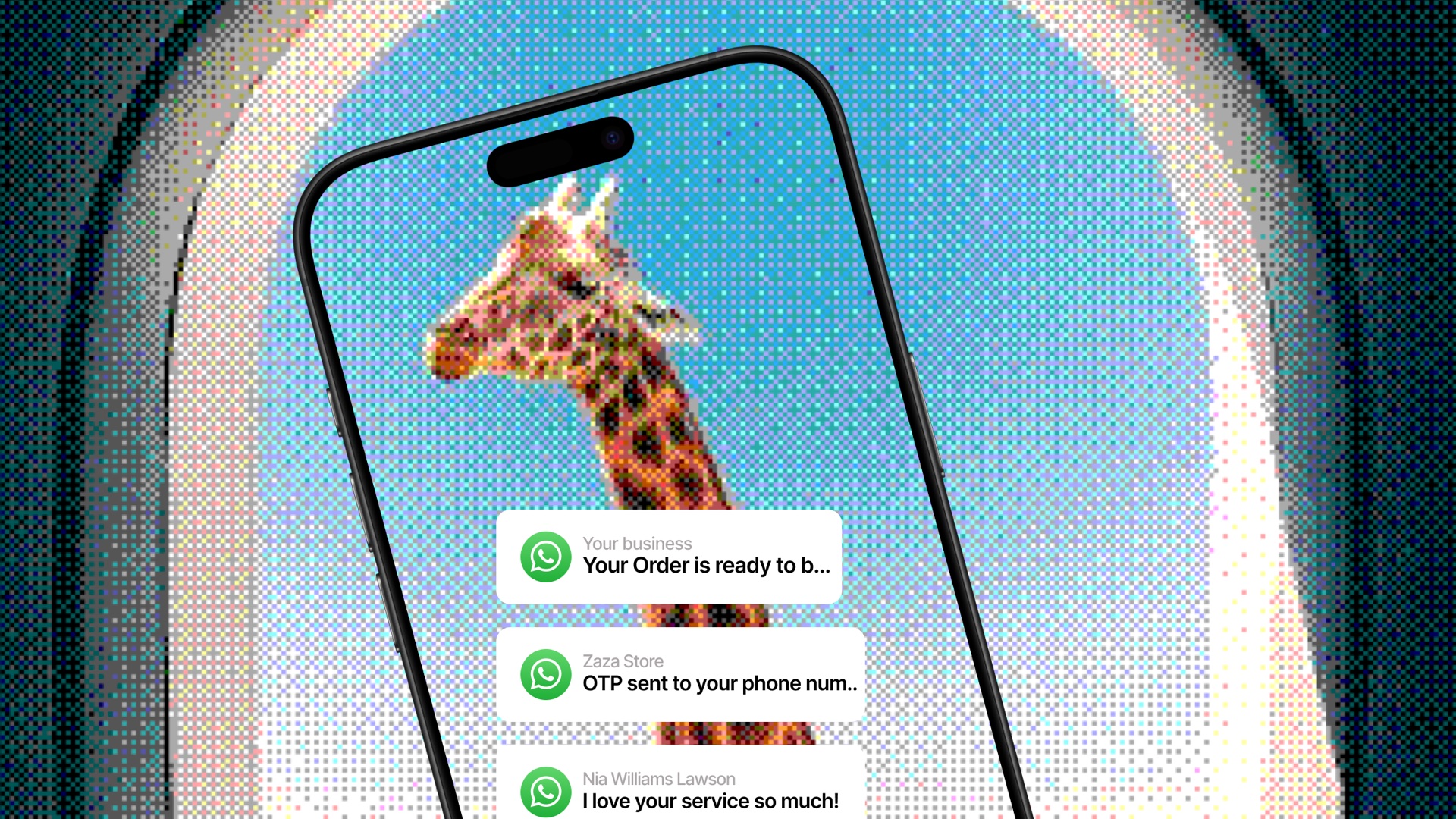
WhatsApp works well for order updates, appointment reminders, support follow-ups, product recommendations, and campaigns where the customer may want to ask a question. Images, documents, buttons, and replies can keep the experience inside one familiar conversation.
That familiarity also raises the standard for relevance. Use a recognisable business identity, tell the recipient why the message matters, and send only the message categories they opted into. A useful conversation builds trust; an unexpected broadcast can quickly lead to blocks or reports.
Choose SMS for urgent, concise, and widely accessible messages
SMS does not require a smartphone app or an active mobile-data connection, which makes it valuable for one-time passwords, service alerts, payment reminders, and short time-sensitive updates. It is also a practical fallback when an important WhatsApp message cannot be delivered.
The trade-off is limited space and less room for visual context. Put the business name and essential information first, keep one clear call to action, and avoid using SMS as a compressed version of a long email.
Choose email for detailed, visual, and reference-friendly content
Email is a better home for receipts, newsletters, onboarding sequences, educational content, and campaigns containing several products or sections. Customers can search for it later, forward it, and read it at their own pace.
Email competes in a crowded inbox, so the subject line, sender identity, and first screen must work together. Use a concise subject, lead with the value of the message, and make the primary action clear before the customer has to scroll.
Build a multichannel journey instead of duplicating one message
A multichannel strategy should give each channel a distinct role. A store might announce a collection by email, answer product questions on WhatsApp, send a payment confirmation by SMS, and use SMS as a fallback for a critical WhatsApp alert.
Avoid sending the same promotion everywhere at the same time. Coordinate frequency, suppress people who already completed the action, and use delivery and conversion data to decide whether a follow-up is helpful.
Measure channel performance against the same business outcome
Delivery rate is useful, but it is not the final result. Compare channels using the outcome the message was designed to create: completed payments, verified logins, booked appointments, replies, qualified leads, or purchases.
Track delivery, engagement, conversion, opt-outs, complaints, and cost per completed action. Over time, these measures show which channel works best for each message type and audience segment.
Common questions
Is WhatsApp better than SMS for marketing?
WhatsApp is usually better when customers need context, media, or a reply. SMS is often better for short urgent messages and recipients who may not have an active data connection. The stronger option depends on the message and the customer's permission.
Should a business send the same campaign on WhatsApp, SMS, and email?
Usually no. Give each channel a specific role, adapt the message to that format, and suppress customers who already acted so the journey does not feel repetitive.
Which channel is best for one-time passwords?
SMS remains a common choice because it works without a messaging app, while WhatsApp can provide a familiar experience for customers who opted in. Critical authentication flows should have a tested fallback.