The best channel is the one that fits the message
WhatsApp, email, and SMS solve different communication problems. WhatsApp supports rich, conversational interactions. Email gives detailed content a searchable home. SMS delivers a concise message without requiring a messaging app or active data session.
Choose by customer intent, urgency, amount of context, expected reply, accessibility, consent, and cost per completed action. Avoid choosing only because a channel is popular or because a list happens to be available.
Use WhatsApp when conversation and context matter
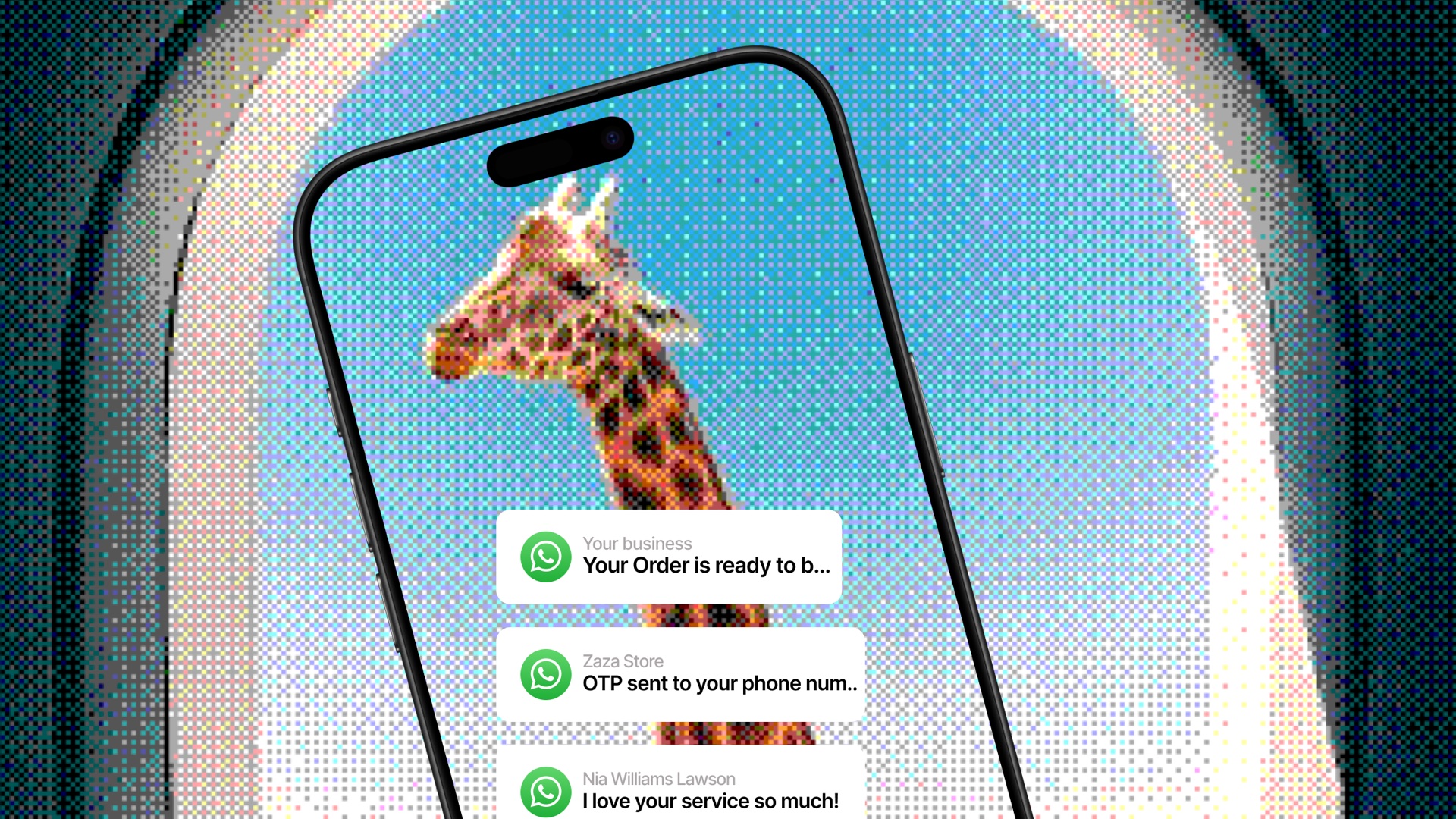
WhatsApp can suit product questions, support follow-ups, appointments, order updates, recommendations, and campaigns where buttons, images, or replies reduce friction. It can connect automation to a human conversation when the customer needs help.
Because the channel feels personal, unexpected volume can quickly damage trust. Use explicit expectations, recognisable identity, relevant segmentation, responsive support, and effective opt-out handling.
Use email when the customer needs depth or a lasting reference
Email suits newsletters, onboarding lessons, receipts, policy notices, product collections, reports, and lifecycle sequences. It gives the sender more room for structure and lets the recipient save, search, or forward the content.
The trade-off is inbox competition and deliverability complexity. Authenticate the sending domain, maintain a permission-based list, build mobile-readable messages, and make the subject and landing page tell the same story.
Use SMS when urgency and broad device access matter
SMS is useful for verification, service alerts, payment reminders, appointment changes, and short time-sensitive notices. It can also act as a fallback when an important message on another channel is not delivered.
Limited space demands discipline. Identify the business, state the essential information, use one action, and respect Nigeria's consent and DND context. Move complex explanation to a secure page or another appropriate channel.
A Nigerian business decision matrix
For a product launch, email can explain the collection while WhatsApp serves opted-in high-intent customers. For an OTP, SMS offers broad accessibility and WhatsApp may provide an additional path where properly configured. For a payment failure, email can preserve detail, SMS can signal urgency, and WhatsApp can support resolution.
For each use case, define a primary channel and a condition for fallback. Do not send all three simultaneously. Delay follow-ups, detect conversion, and stop the journey when the customer acts.
Measure one outcome across all three channels
Compare channels using the same outcome: verified login, paid invoice, booked appointment, qualified reply, purchase, or retained account. Include delivery, failure, opt-out, complaint, and operational cost so a high click count does not hide an unhealthy customer experience.
A coordinated platform can make cross-channel suppression and reporting easier, but strategy still matters. Give each channel a distinct job and earn the right to use it through permission and relevance.
Common questions
Is WhatsApp marketing better than email marketing in Nigeria?
WhatsApp is often stronger for conversation and quick response, while email is stronger for detailed, searchable content. The better option depends on the customer's expectation and the job of the message.
Is SMS still useful when customers have WhatsApp?
Yes. SMS can reach a phone without requiring a messaging app or active data connection, making it useful for concise urgent messages and carefully designed fallback paths.
Should businesses send the same campaign on every channel?
Usually no. Assign a role to each channel, adapt content to the format, stagger follow-ups, and suppress customers who already completed the intended action.